The Starchy, Silky Secret Hiding in Your Pasta Pot — And Why You Should Never Drain It Away
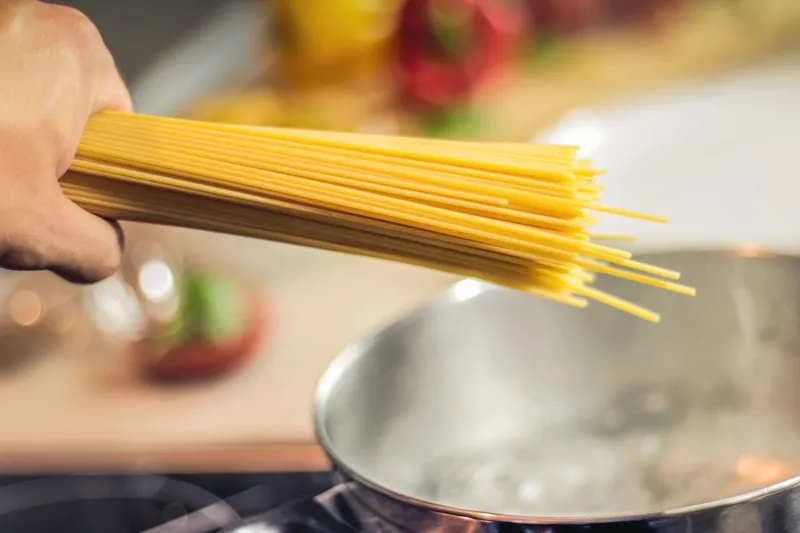
Every time you cook a pound of pasta, you produce something genuinely remarkable: a warm, slightly cloudy liquid loaded with dissolved starch, a touch of salt, and the faint savory essence of the pasta itself. And almost every home cook in America pours it straight down the drain without a second thought.
Professional cooks in Italy — and in Italian-American restaurants that actually know what they're doing — treat pasta water like a pantry staple. They scoop it out before draining. They keep it nearby while they finish the sauce. They add it in small amounts, watching the dish transform. What they understand, and what most of us were never taught, is that pasta water isn't just hot water. It's a functional ingredient with real culinary power.
Here's what's actually going on in that pot, and how to put it to work.
What Makes Pasta Water Different From Plain Water
When dried pasta cooks, the starch granules on its surface hydrate and swell. Some of those granules break open and release starch molecules into the surrounding water. By the time your pasta is al dente, that cooking liquid contains a meaningful concentration of dissolved starch — typically somewhere between 1 and 4 percent, depending on how much water you used and how long the pasta cooked.
That might not sound like much, but starch is a powerful emulsifier and thickener even at low concentrations. It helps fat and water — two things that naturally want to separate — stay suspended together. When you're finishing a pasta dish in a pan with olive oil, butter, or a meat sauce, that starch is what keeps the whole thing from breaking into a greasy puddle.
The salt matters too. If you've been seasoning your pasta water aggressively (as you should), some of that salt is now distributed evenly throughout the liquid, which means adding pasta water also adds seasoning in a controlled, diluted way. It's gentle flavor correction and sauce adjustment all in one move.
Why Pasta Sauces Break — And How Starch Fixes It
Here's the problem most home cooks run into: they make a beautiful sauce, cook the pasta separately, drain it, dump it in, and end up with something that looks like pasta floating in a puddle of oil with sauce clinging to the noodles in clumps. The sauce has broken — meaning the fat and water have separated.
This happens because the pasta was drained of all its starchy cooking liquid, then introduced cold (or at least cooler) into a hot sauce with no emulsifying bridge between the two. The fat seizes, the water in the sauce pools at the bottom, and the whole thing looks sad.
Pasta water solves this because it provides exactly the starch molecules needed to create an emulsion on the fly. When you add a splash of that cloudy liquid to a hot pan with olive oil and pasta, the starch coats the oil droplets and holds them suspended in the water phase of the sauce. The result is a glossy, unified coating on every noodle — the texture that makes you wonder why restaurant pasta always seems silkier than what you make at home.
How Much to Save, and When to Add It
The practical question is how to actually work with pasta water instead of just knowing it exists.
Before you drain: Use a ladle or a large measuring cup to scoop out at least one full cup of pasta water before you touch the colander. Two cups is better — you won't use it all, but having enough means you won't be rationing it nervously while your sauce waits. Keep it in the measuring cup right next to the stove.
Finish the pasta in the sauce, not the colander: This is the move that matters most. Instead of draining pasta completely and then adding it to sauce, drain it just slightly underdone (30 seconds to a minute before the package says it's done), then transfer it directly into the pan with the sauce using tongs or a spider strainer. The pasta brings some of its own cooking water with it naturally, and it finishes cooking in the sauce itself.
Add pasta water in small amounts: Start with a quarter cup. Toss the pasta and watch what happens. If the sauce looks too thick or is clumping, add another splash. If it looks loose and watery, let it cook down for a minute. The goal is a sauce that coats the pasta and looks slightly glossy — not soupy, not dry.
When to add it: During the final tossing stage, when the pasta is still in the pan over medium heat. The heat helps the starch activate and the liquid reduces slightly, concentrating everything. Adding it off heat works in a pinch but doesn't give the starch the same chance to do its job.
The Dishes Where This Matters Most
Not every pasta recipe benefits equally from pasta water. A chunky Bolognese with plenty of liquid already in the sauce doesn't need much help. But certain preparations are almost entirely dependent on it.
Cacio e pepe is the famous example — that Roman classic of pasta, Pecorino Romano, and black pepper. The dish has no cream, no butter, no extra fat beyond a little olive oil. The only thing binding the cheese into a smooth, clinging sauce is the starchy pasta water. Get the balance wrong and you get a clumped, stringy mess. Get it right and it's one of the most luxurious things you've ever eaten.
Aglio e olio (garlic and olive oil) is another. The emulsion of oil and water here is delicate, and pasta water is what keeps it from being a greasy sauté of garlic-coated noodles.
Any pasta finished with butter — a common restaurant technique — benefits enormously. Butter is already an emulsion of fat and water, and it's a fragile one. Pasta water reinforces it and keeps the sauce from breaking as it sits.
One More Thing: Don't Use Too Much Water in the First Place
Here's a tip that makes pasta water more effective before you even scoop it out: cook your pasta in less water than you think you need. Most American recipes call for a full gallon of water per pound of pasta. Use half that. The pasta cooks just fine (stir it occasionally so it doesn't stick), and the cooking water ends up significantly more starchy and concentrated. It's a more powerful emulsifier and thickener, which means you need less of it to get the same effect.
The next time you stand over the sink with a colander in hand, pause before you tip the pot. That cloudy water is doing something. Let it finish the job.