Why Your Cookies Bake Up Flat and Greasy — And What Butter Temperature Actually Does to the Dough
You followed the recipe. You measured everything. You didn't skip a single step. And yet your cookies came out of the oven looking like little beige puddles — thin, greasy, and nothing like the thick, chewy rounds in the photo. So you blame the recipe, swap it out, and try again. Same result.
Here's the thing: the recipe probably isn't broken. Your butter almost certainly is — or rather, it was in the wrong state before it ever touched your mixing bowl.
Butter temperature is one of those variables that home bakers tend to eyeball or ignore entirely, but professional pastry cooks treat it like a critical measurement. And once you understand why it matters at a molecular level, you'll never go back to just leaving a stick on the counter and hoping for the best.
What "Creaming" Actually Means — And Why It Requires the Right Butter
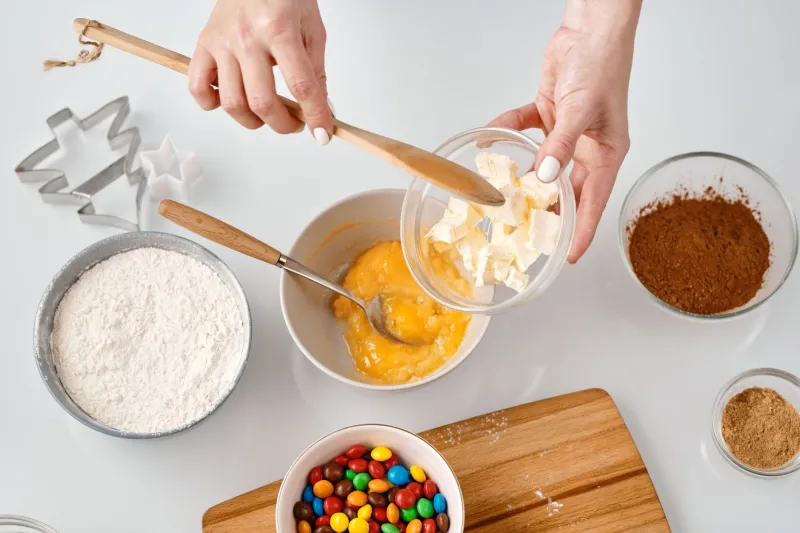
Most drop cookie recipes start with the same instruction: cream the butter and sugar together. It sounds simple, almost throwaway. But creaming isn't just about combining two ingredients — it's an aeration step. When you beat softened butter with sugar, the sharp edges of sugar crystals physically cut into the fat, creating tiny air pockets that get trapped throughout the mixture. Those air pockets matter enormously. They expand in the oven's heat, giving your cookies lift and structure.
For this to work, the butter needs to be genuinely pliable — not cold, not melted, but somewhere in that narrow sweet spot around 65 to 68°F. At that temperature, the fat is soft enough to deform around sugar crystals and hold air, but still solid enough to maintain the structure of those pockets.
When butter is too cold — say, straight from the refrigerator at around 40°F — it's too rigid. The sugar can't cut through it effectively, so you get minimal aeration. The dough is dense before it even hits the oven.
When butter is too warm — closer to 75°F or above — it starts to lose its crystalline structure and behave more like a liquid. Now instead of trapping air, you're essentially making a greasy slurry. There's nothing structural left to hold the dough together under heat.
The Oven Is Just Finishing What You Started
Here's where the science gets really interesting. Cookies don't just bake — they go through a rapid sequence of physical changes in a short window of time, and the state of your butter controls almost all of it.
In the first few minutes, the butter in the dough melts completely. As it does, it releases moisture (butter is roughly 16 to 18 percent water), and that moisture turns to steam. That steam, combined with any leaveners you've added, pushes the dough upward. At the same time, the proteins in the flour are beginning to set — they're forming the gluten network that will eventually hold the cookie's shape.
If your butter was already too soft or partially melted going in, two things happen at once: the fat spreads laterally across the pan before the structure has time to set, and less steam is available for lift because some of that moisture already escaped during mixing. The result is a flat, greasy cookie that spread before it could rise.
If your butter was properly aerated and at the right temperature, those air pockets delay the spread just long enough for the gluten and egg proteins to start setting. The cookie holds its shape while it bakes through.
How to Actually Know When Your Butter Is Ready
Forget the "leave it on the counter for an hour" rule. That timing depends entirely on your kitchen temperature, the season, and how cold your refrigerator runs. Instead, use your hands.
Properly softened butter should bend without cracking when you press a finger into it, but it should still hold its shape and not look shiny or greasy. It should feel cool — not room temperature in the way a warm summer kitchen feels, but genuinely cool to the touch. If it looks like it's sweating or has started to slump, it's already too far gone for optimal creaming.
If you're in a hurry, cut the butter into small cubes and let it sit for 15 to 20 minutes rather than leaving a whole stick out. More surface area means faster, more even tempering. You can also use the microwave on a very low power setting — 10 percent power in 10-second bursts — but this requires patience and attention. One extra burst and you've melted the edges while the center is still cold.
A kitchen thermometer is honestly the most reliable tool here. Aim for 65°F. It takes 30 seconds to check and eliminates all the guesswork.
When You Want Flat Cookies — And How to Get There Intentionally
Not every cookie is supposed to be thick and chewy. Lace cookies, florentines, and certain shortbreads are meant to be thin and crisp, and for those, you actually want to manipulate the butter in the opposite direction.
Melted butter, used intentionally, produces a denser, chewier, often slightly crispier cookie because it skips the aeration step entirely. Brownies and many fudgy bar cookies use melted butter on purpose — the lack of air means a tighter, more compact crumb. Some bakers also use melted and slightly cooled butter in chocolate chip cookies specifically because they want more spread and a lacier edge.
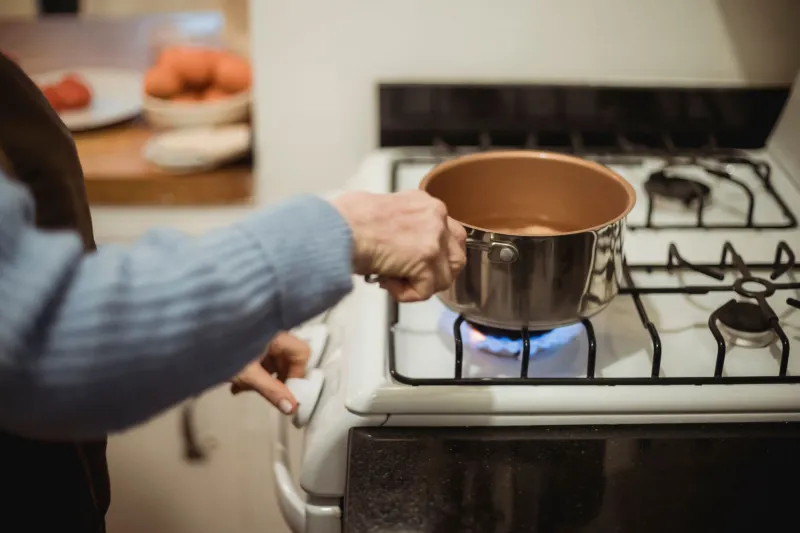
Browned butter takes this even further. When you cook butter past the melting point until the milk solids turn golden and nutty, you're doing two things: driving off water (which concentrates the fat and reduces spread-causing steam) and creating hundreds of new flavor compounds through the Maillard reaction. Brown butter cookies tend to spread a bit more than creamed-butter versions, but they have a depth of flavor that's genuinely hard to replicate any other way. The trade-off is worth understanding before you choose it.
A Quick Cheat Sheet Before You Bake
If you want thick, chewy, domed cookies: Use butter at 65 to 68°F. Cream it properly with sugar for a full 3 to 5 minutes until the mixture is pale and noticeably fluffy. Don't rush this step.
If you want thin, crispy, lacy cookies: Melt the butter and let it cool slightly before adding it to the dough. No creaming needed.
If you want rich, complex flavor with moderate spread: Brown the butter, cool it to solid in the fridge, then bring it back to softened temperature before using. It's an extra step, but the payoff in flavor is significant.
And if your cookies are still spreading too much even after you've nailed the butter temperature? Chill the shaped dough balls for at least 30 minutes before baking. Cold dough spreads more slowly, giving the structure even more time to set before the fat fully melts. It's the backup move that fixes almost everything else.
Butter is more than an ingredient in cookie dough — it's the primary structural and flavor variable in the entire recipe. Get it right, and everything else falls into place.