Your Microwave Is Cooking Your Vegetables Wrong — Here's the Wet-Towel Fix That Changes Everything
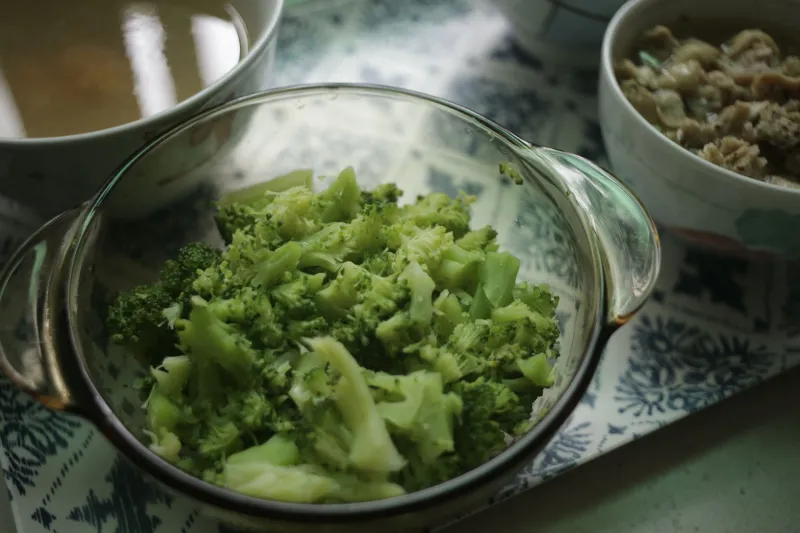
Most of us treat the microwave like a miniature oven — toss in the food, punch in a time, walk away. And for reheating leftover pizza or softening butter, that casual approach is fine. But when you throw fresh vegetables in there the same way, something goes wrong fast. What comes out is limp, waterlogged, and sad — the kind of broccoli that makes you wish you'd just skipped the side dish entirely.
Here's the thing: the microwave isn't broken, and neither are your vegetables. The problem is a fundamental mismatch between how microwave energy works and what vegetable cells actually need to survive the cooking process with their texture intact.
What's Actually Happening Inside That Box
Microwaves cook by emitting electromagnetic radiation — specifically at a frequency that causes water molecules to vibrate rapidly. That vibration generates heat from the inside out, which is why a microwave can warm the center of a dish faster than a conventional oven. It sounds efficient, and for many foods, it is.
But vegetables present a specific challenge. Their cellular structure depends on turgor pressure — essentially, the water pressure inside each cell that keeps them firm and crisp. When you toss a handful of green beans into a microwave uncovered, the rapid excitation of water molecules drives moisture out of those cells and into the surrounding air as steam. The cells deflate. The structure collapses. You end up with something that has the texture of canned vegetables even though you started with fresh ones.
Make it worse by overcrowding or uneven placement — which most of us do — and you get hot spots where some pieces overcook while others barely warm through. The result is inconsistent mush with a few hard bites thrown in for variety.
The Counterintuitive Fix: Add Water to Keep Water In
This is where the wet-towel method flips the script. Instead of letting moisture escape freely, you trap it deliberately. The technique is almost embarrassingly simple: dampen a paper towel (not soaking wet — wrung out well, just damp), wrap or drape it over your vegetables before microwaving, and cover the whole thing with a microwave-safe plate or lid.
What you've done is create a tiny steam environment. The moisture in the towel vaporizes almost immediately when the microwave runs, and because the plate traps that steam, it surrounds the vegetables rather than escaping. The cooking environment shifts from dry radiant heat to moist steam heat — and that distinction matters enormously.
Steam conducts heat more evenly than dry air, which reduces the hot-spot problem. More importantly, the humid environment slows the rate at which the vegetables' own moisture evacuates their cells. Turgor pressure is maintained longer. The result is vegetables that cook through without collapsing — broccoli with actual snap, asparagus that bends without breaking, carrots that yield to a fork without turning to baby food.
Getting the Timing Right
The wet-towel method does require a small recalibration of timing. Because you're steaming rather than blasting with dry heat, vegetables take slightly longer to cook through — but the tradeoff in texture is worth it. A general rule: start with 2 minutes on high for most sturdy vegetables like broccoli florets, green beans, or sugar snap peas. Check for doneness, then add 30-second intervals as needed.
Delicate vegetables — spinach, thinly sliced zucchini, frozen peas — need even less time. Thirty seconds to a minute is often enough. The goal is bright color and just-tender texture. If you see that vivid green start to dull toward army-green, you've gone too far.
Cutting matters, too. Uniform pieces cook more evenly because they expose the same surface area to the same amount of energy. A mix of thick broccoli stems and tiny florets will never cook at the same rate — trim the stems thinner or cut them separately.
Why This Also Preserves More Nutrients
Here's a bonus that doesn't get talked about enough: the wet-towel method is actually one of the better ways to preserve water-soluble vitamins like vitamin C and B vitamins in vegetables. These nutrients leach into cooking water when you boil vegetables, which is why blanching and boiling — despite their texture advantages — can strip out a meaningful portion of nutritional value.
Microwave steaming uses no added water for the vegetables to leach into, and the short cooking time limits heat exposure. Studies have consistently shown that microwave steaming retains more vitamin C in broccoli, for example, than boiling does. So not only are your vegetables crispier — they're actually more nutritious.
A Few Vegetables That Especially Benefit
Broccoli and cauliflower: These are the poster children for microwave mush, and they respond beautifully to the wet-towel method. Two to three minutes produces florets with real bite and vivid color.
Asparagus: Lay spears in a single layer, cover with a damp towel, and microwave for 90 seconds. Finish with a squeeze of lemon and a drizzle of olive oil — it's a genuinely weeknight-worthy side.
Corn on the cob: Leave the husk on (it acts as its own steam trap), microwave for 4 minutes per ear, and let it rest for 2 minutes before shucking. The silk comes off easier, and the corn stays juicy.
Frozen vegetables: These actually do well in the microwave because they're already blanched before freezing, but the wet-towel method still prevents the rubbery texture that comes from over-steaming. One to two minutes is usually enough.
The Bigger Lesson
The microwave is a tool that cooks fundamentally differently from a stovetop or oven, and the techniques that work on one don't automatically transfer to the other. Most of us were never taught this — we just assumed the microwave was a simpler, faster version of conventional cooking. It isn't. It's a different instrument entirely, and once you start treating it that way, it stops being the appliance that ruins things and starts being the one that saves weeknight dinners.
A damp paper towel costs nothing. The improvement it makes to your vegetables is immediate and obvious. That's the kind of kitchen upgrade that actually sticks.