Not All Soy Sauce Is the Same — Here's How to Pick the Right One for What You're Actually Making
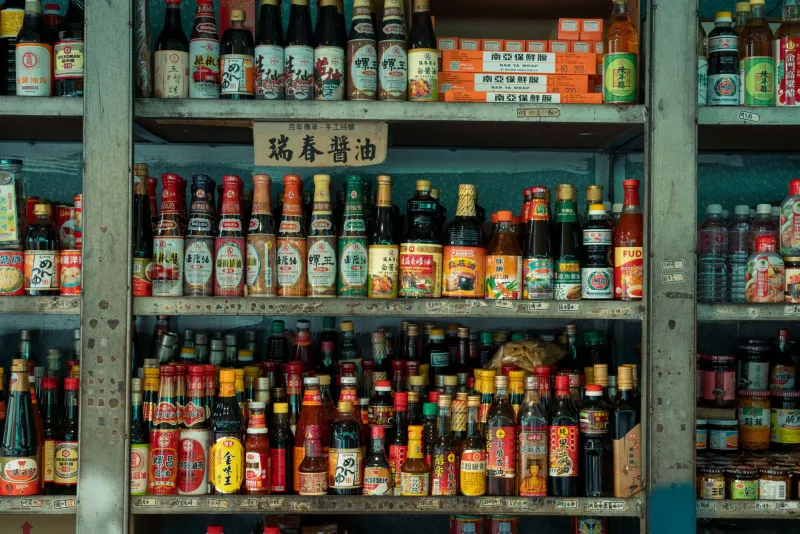
Walk down the Asian foods aisle of any American grocery store and you'll find a shelf that ranges from the iconic La Choy bottle most of us grew up with to a half-dozen Japanese, Chinese, and Korean options with labels you may or may not be able to read. Most home cooks grab whatever's familiar or cheapest and call it a day. That's understandable — but it's also leaving a lot of flavor on the table.
Soy sauce is not a monolithic ingredient. The differences between a bottle of Kikkoman, Pearl River Bridge, and Lee Kum Kee aren't just marketing — they reflect genuinely different production methods, ingredient ratios, fermentation times, and culinary traditions. Using the wrong one in the wrong dish doesn't ruin dinner, but using the right one makes a noticeable difference that you'll recognize immediately once you know what to look for.
Where the Flavor Differences Come From
All soy sauce starts with the same basic premise: soybeans fermented with salt and, usually, some form of grain (typically wheat). But the details of that fermentation process vary widely and produce dramatically different flavor profiles.
Traditional soy sauce — the kind made in Japan and in premium Chinese production — is brewed through a natural fermentation process called koji fermentation. Soybeans and roasted wheat are inoculated with Aspergillus mold, which breaks down proteins and starches over months (sometimes years). The resulting liquid is pressed, pasteurized, and bottled. This slow process generates hundreds of flavor compounds — amino acids, organic acids, esters — that create depth, umami, and complexity.
Chemically produced soy sauce, which is common in American-made brands and lower-cost options, skips fermentation entirely. Soybeans are hydrolyzed with hydrochloric acid (a process that takes days rather than months), then neutralized and blended with caramel color, corn syrup, and salt to approximate the color and flavor of brewed soy sauce. The result is saltier, sharper, and considerably less complex. It's not inedible — plenty of takeout food is made with it — but it lacks the layered, slightly sweet, almost wine-like quality that brewed soy sauce brings.
The practical upshot: when a recipe calls for soy sauce and you want it to taste genuinely good, reach for a brewed product. The label will usually say "naturally brewed" or list only soybeans, wheat, water, and salt as ingredients.
Japanese Soy Sauce: Balanced and Versatile
Japanese soy sauce — shoyu — is the style most American cooks are most familiar with, largely because Kikkoman has been on U.S. grocery shelves since the 1970s. Standard Japanese soy sauce (called koikuchi shoyu) is made with roughly equal parts soy and wheat, which gives it a rounder, slightly sweeter flavor profile than most Chinese varieties. It has medium sodium content and a clean, balanced umami that doesn't overwhelm.
This is your workhorse soy sauce. It's excellent for marinades, dipping sauces, stir-fries, and anywhere you want soy flavor to be present but not dominant. It's also the right call for Japanese applications — teriyaki, ramen seasoning, gyoza dipping sauce — where the grain-forward sweetness is part of the expected flavor profile.
Usukuchi (light-colored soy sauce) is a Japanese variety worth knowing about separately. Despite the name, it's actually saltier than regular soy sauce — it's just paler in color, which makes it useful when you want soy flavor without darkening a dish. Use it in clear soups, light braises, or anywhere color matters. Don't use it as a lower-sodium option; it's not.
For finishing — drizzling over a bowl of rice, dipping sashimi, adding a last-minute hit of umami to a finished dish — tamari is worth keeping around. It's made with little or no wheat (making it naturally gluten-free), and it has a thicker, richer, more concentrated flavor than standard koikuchi. A few drops go a long way.
Chinese Soy Sauce: Bolder, More Complex, Built for Braising
Chinese soy sauce divides into two main categories that matter enormously for cooking: light soy sauce (sheng chou) and dark soy sauce (lao chou). Despite the naming overlap with Japanese usukuchi, Chinese light soy sauce is not the same thing — it's the standard, all-purpose Chinese soy sauce, saltier and thinner than Japanese shoyu, with a sharper, more assertive flavor.
This is the soy sauce for stir-fries, quick sauces, and anywhere you want salt and umami delivered directly. Pearl River Bridge and Lee Kum Kee are the two brands most reliably available at U.S. grocery stores and both are solid choices. Chinese light soy sauce tends to have more sodium than Japanese shoyu, so if you're substituting one for the other in a recipe, taste as you go.
Dark soy sauce is a different animal entirely. It's fermented longer and often mixed with molasses or caramel, giving it a thick, almost syrupy consistency, a deep mahogany color, and a rich, slightly sweet flavor with less salt than light soy. Its primary job in Chinese cooking is color and body — it's what turns red-braised pork (hong shao rou) that glossy, lacquered brown. It also adds depth to fried rice, noodle sauces, and braises. Dark soy sauce is almost never used as a finishing or dipping sauce; it's a cooking ingredient.
If you make Chinese food at home with any regularity, having both light and dark soy sauce in your pantry is genuinely useful — they're not interchangeable, and using only one limits what you can do.
American Soy Sauce: Know What You're Working With
La Choy and similar American-made soy sauces are produced by acid hydrolysis rather than fermentation. They're saltier, thinner, and sharper than brewed varieties, with a flavor profile that reads as one-dimensional — mostly just salt with a faint fermented note. They're also significantly cheaper.
For applications where soy sauce is a background ingredient — a marinade that's mostly citrus and ginger, say, or a sauce where the soy is one of a dozen components — the difference is less noticeable. But for anything where soy sauce is a primary flavor driver, the upgrade to a naturally brewed product is worth the extra dollar or two.
A Practical Cheat Sheet
Stir-fries and quick sauces: Japanese koikuchi (Kikkoman) or Chinese light soy sauce (Pearl River Bridge, Lee Kum Kee). Both work; Chinese light will be slightly saltier and sharper.
Braises and long-cooked dishes: Chinese light soy sauce for flavor, dark soy sauce for color and body. Use them together — typically a 3:1 ratio of light to dark — for the best result.
Dipping sauces and finishing: Japanese tamari or a good koikuchi. The goal here is clean, rounded umami without excessive salt.
Gluten-free cooking: Tamari (check the label — most but not all tamari is wheat-free) or coconut aminos as a lower-sodium alternative.
Color-sensitive dishes: Japanese usukuchi (light-colored soy sauce) when you need soy flavor without browning. Remember it's saltier than it looks.
The soy sauce you keep in your pantry shapes every recipe that calls for it. It's one of the few places where a small, specific upgrade in ingredient knowledge pays off in nearly every dish you make.