The Secret Weapon Hiding in Your Pasta Pot (And Why You Keep Pouring It Down the Drain)
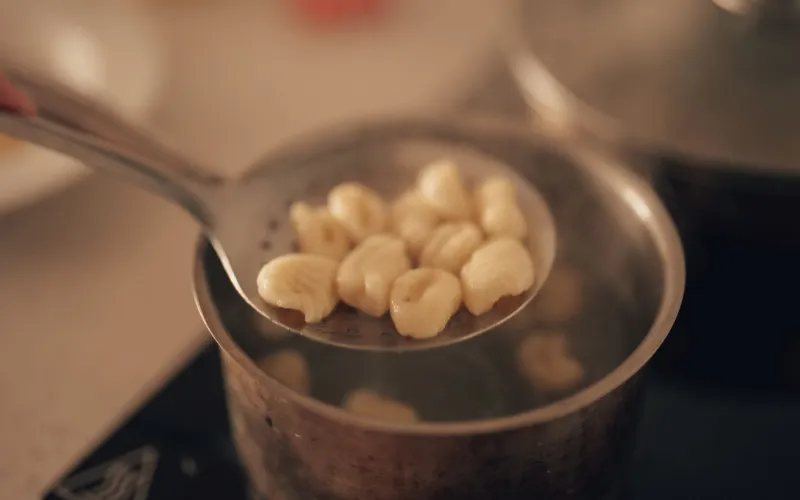
The Stuff You've Been Tossing Has a Name
Most American home cooks do it without thinking. The pasta's done, the timer goes off, and in one fluid motion the whole pot gets tipped into a colander over the sink. Gone. All of it. And with it goes something Italian nonnas have been quietly hoarding for generations.
Pasta water — the cloudy, starchy liquid left behind after your spaghetti or rigatoni has cooked — is not a byproduct. It's an ingredient. A functional, scientifically useful ingredient that does something no splash of tap water or extra glug of olive oil can replicate. Once you understand why it works, you'll never drain a pot again without grabbing a mug first.
What's Actually in That Cloudy Water
Here's the food science part, and it's worth slowing down for.
As pasta cooks, it releases surface starch into the surrounding water. These are primarily amylose and amylopectin molecules — the same two components that make up most edible starches. Amylose is a relatively straight-chain molecule that dissolves readily into the cooking liquid, while amylopectin is more branched and contributes to the water's slightly viscous, silky texture as it heats up.
The result is a liquid that behaves less like plain water and more like a light, loose slurry. It has body. It has binding power. And critically, it acts as an emulsifier — meaning it can help fat and water coexist in a stable, cohesive sauce instead of separating into a greasy mess at the bottom of your bowl.
This matters enormously in pasta cooking, where you're almost always trying to marry a water-based element (the pasta itself, any tomato or wine) with a fat-based element (olive oil, butter, cheese). Without something to bridge that gap, sauces slide right off the noodle. Starchy pasta water is that bridge.
The salt you added to the pot matters too. Well-salted pasta water seasons the starch as it dissolves, meaning every tablespoon you add to a sauce brings flavor with it — not just texture.
How Much to Save and When
A common mistake is either forgetting entirely or saving a tiny, token splash. Here's a better rule of thumb: reserve at least one full cup before you drain, even if you think you won't need it all. You can always discard what you don't use, but you can't un-pour it down the drain.
For timing, scoop your pasta water out before you drain — not after. Once the pasta hits the colander, the water's gone. Keep a heatproof measuring cup or a ladle right next to the stove as a reminder.
As for when to add it to the sauce: toward the end of cooking, a splash at a time. You're not dumping a cup of water into your pan all at once. You're using it to loosen the sauce, encourage emulsification, and help the pasta finish cooking directly in the sauce (more on that in a moment). Add a little, toss, watch how the sauce tightens or loosens, and adjust from there.
The Dishes Where It Makes the Biggest Difference
Pasta water is universally useful, but a few classic preparations are essentially built around it.
Cacio e Pepe is the ultimate test case. This Roman dish has exactly three ingredients — pasta, Pecorino Romano, and black pepper — and its entire success depends on getting the cheese to melt into a creamy, clinging sauce rather than clumping into a gummy paste. The starchy water is what makes that happen. It tempers the heat, hydrates the cheese gradually, and creates a glossy emulsion that coats every strand. Try making cacio e pepe without it and you'll end up with what most Americans have experienced: a sticky, clumped disappointment.
 Photo: Pecorino Romano, via www.mustakshif.com
Aglio e Olio — garlic, olive oil, and pasta — is another high-stakes situation. Oil and water famously don't mix, but pasta water gives you just enough starch to create a light, cohesive sauce that clings to the spaghetti instead of pooling in the bowl. A few tablespoons added while you toss the pasta in the garlicky oil transforms the dish entirely.
Carbonara benefits similarly. The egg-and-cheese sauce needs to stay creamy and fluid without scrambling, and small additions of starchy water help regulate the temperature and keep the emulsion stable.
Even a simple jarred marinara gets better with a splash stirred in at the end — it helps the sauce adhere to the pasta and rounds out any harsh edges from the tomatoes.
The Finishing Move Most Home Cooks Skip
Here's a technique shift that will change your pasta nights immediately: finish your pasta in the pan with the sauce, not just in a bowl at the table.
About 90 seconds before your pasta is fully cooked (still slightly firm in the center — what Italians call molto al dente), pull it out of the boiling water with tongs or a spider strainer and transfer it directly into the pan with your sauce over medium heat. Add a ladle of pasta water. Toss everything together for a minute or two.
What happens is remarkable. The pasta finishes cooking in the sauce, absorbing its flavor from the inside out. The residual starch on the noodle's surface mingles with the starchy water and whatever fat is in the sauce, building that emulsified, restaurant-style coating that makes pasta taste like it came from somewhere with a wood-burning oven and a lot of opinions about technique.
This is exactly what happens in every serious Italian kitchen, from a trattoria in Rome to a Sunday table in the Bronx. The pasta water isn't an afterthought — it's the technique.
A Simple Habit That Changes Everything
Cooking smarter rarely requires buying new equipment or sourcing specialty ingredients. Sometimes it's just about paying attention to what you already have. Pasta water is a perfect example of that principle in action.
You're already making it every time you boil pasta. It costs nothing. It takes five seconds to save. And it does something genuinely useful that no other ingredient in your kitchen can quite replicate — it turns a loose, separated pan of sauce and noodles into something that holds together, tastes seasoned all the way through, and actually makes you feel like you know what you're doing.
Which, after reading this, you do.
Next time the timer goes off, grab a mug before you reach for the colander. That cloudy water earned its place at the table.