Your Soup Tastes Watery Because You're Skipping These Three Steps
Your Soup Tastes Watery Because You're Skipping These Three Steps
You followed the recipe. You used good stock — maybe even homemade. You added the vegetables, let everything simmer, and tasted it with cautious optimism. And then: nothing. Thin. Flat. Vaguely vegetable-flavored water.
This is one of the most common frustrations in the home kitchen, and the maddening part is that it's rarely about ingredients. The gap between a forgettable bowl and a deeply satisfying one almost always comes down to technique — specifically, a handful of steps that professional cooks treat as non-negotiable but that most recipes either bury in the instructions or skip entirely.
Once you understand why these steps matter, you can apply them to any soup you make, from a quick weeknight lentil to a slow-simmered beef stew. Think of it less as a recipe and more as a repeatable mental checklist.
Step One: Stop Rushing Your Aromatics
Almost every soup starts with aromatics — onion, celery, carrot, garlic, maybe some leeks or fennel. And almost every recipe says something like "cook until softened, about 5 minutes." That instruction is technically correct and practically misleading.
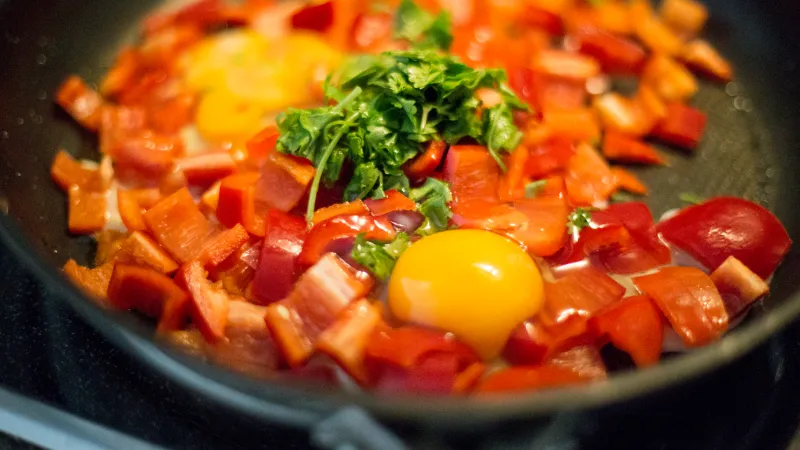
What's actually happening when you cook aromatics in fat is a process called sweating: the cells break down, moisture releases, and the raw, sharp compounds responsible for that harsh bite transform into something sweeter and more complex. Five minutes gets you partway there. Ten to fifteen minutes, over medium-low heat with a pinch of salt, gets you somewhere genuinely different.
The salt matters here. It pulls moisture out of the vegetables through osmosis, which speeds up softening and concentrates flavor before a drop of liquid ever hits the pan. This isn't a detail — it's the whole point.
When you rush this step, you're essentially pouring your liquid over raw-tasting vegetables and hoping the simmer will fix it. It won't. The flavor foundation of your soup is built right here, before any broth goes in. Give it the time it deserves.
Step Two: Build Something on the Bottom of the Pan
If you've ever made a soup that tasted like it was missing a layer — something savory and deep that you couldn't quite name — the culprit is probably a skipped fond.
Fond is the French term for those browned bits that stick to the bottom of the pan during cooking. It forms through the Maillard reaction, the same chemical process that gives a seared steak or a toasted piece of bread its complex, nutty flavor. When proteins and sugars hit high heat, they don't just brown — they produce hundreds of new flavor compounds that simply don't exist in raw or gently cooked food.
For soup, this means taking a deliberate pause after your aromatics have softened. Crank the heat slightly, add your tomato paste (if you're using it), and let things get a little color on the bottom of the pot. You want to see some sticking. You want a faint sizzle. Then, when you add your liquid, you deglaze — scraping up all that concentrated flavor and dissolving it into your broth.
This one move can make the difference between a soup that tastes cooked and a soup that tastes developed. Restaurant kitchens do this almost reflexively. Home cooks often skip it because the recipe says "add stock" and they add stock.
If you're making a vegetable-based soup with no meat involved, a spoonful of tomato paste is your best friend for creating this kind of depth. Cook it in the fat with your aromatics until it darkens from bright red to a deeper brick color — that's the Maillard reaction doing its job.
Step Three: Finish With Acid and Fat
Here's where a lot of home cooks get genuinely tripped up, because this step feels counterintuitive. Your soup is done. You taste it. It's... fine. A little flat. A little one-note. The instinct is to add more salt. Sometimes more salt is the answer. But often, what your soup actually needs is acid.
Acid — a squeeze of lemon juice, a splash of apple cider vinegar, a spoonful of white wine — doesn't make food taste sour. Used correctly, it makes food taste brighter. It's the culinary equivalent of turning up the contrast on a photograph. Flavors that were muddy and indistinct suddenly come into focus. This is why a good tomato soup recipe almost always finishes with a hit of vinegar, and why a bowl of black bean soup transforms with a squeeze of lime.
The science here is about your palate's perception of flavor. Salt enhances savory notes. Acid enhances almost everything else — it makes sweetness pop, rounds out bitterness, and creates a sense of liveliness that a flat soup desperately needs.
Add it a little at a time, tasting as you go. You're not looking for a flavor you can identify as sour — you're looking for the moment the soup tastes more like itself.
The second finishing move is fat. A drizzle of good olive oil, a pat of butter, a spoonful of crème fraîche — fat carries fat-soluble flavor compounds and coats your tongue in a way that makes flavors linger. It also adds a sense of richness and body that broth alone can't provide. Many restaurant soups finish with a swirl of butter right before service. It's not indulgence for its own sake. It's physics.
The Framework, Not the Recipe
Here's the thing about these three steps: none of them are secret. They're not obscure techniques from culinary school. They're just the kind of foundational knowledge that tends to get lost when a recipe is compressed into a six-ingredient weeknight format.
So the next time you make soup — any soup — run through this checklist before you start:
- Aromatics: Are you giving them enough time? Salt them early and let them truly soften before moving on.
- Fond: Are you building color somewhere in the process? Even a tablespoon of tomato paste cooked until dark can add serious depth.
- Finishing: Before you serve, have you tasted for acid? Have you considered a small hit of fat to round everything out?
None of this requires extra ingredients or extra equipment. It requires attention and a slightly different relationship with your stove — one where you're thinking about why each step happens, not just following instructions in sequence.
That shift in mindset is, honestly, the whole ballgame. Once you understand what you're building toward, the recipe becomes a suggestion rather than a script. And your soup stops tasting like it came from a box.