Milk Street Kitchen Cook Smarter. Eat Better. Understand Why.

Milk Street Kitchen

Cook Smarter. Eat Better. Understand Why.

Latest Articles

The Chain Reaction Behind Truly Crispy Fried Chicken — Brine, Starch, and the Double-Fry Method Explained
Cooking Techniques

The Chain Reaction Behind Truly Crispy Fried Chicken — Brine, Starch, and the Double-Fry Method Explained

If your homemade fried chicken never quite matches the shattering crunch of the restaurant version, the coating isn't your problem — your process is. From the way buttermilk rewires muscle protein to the molecular magic of cornstarch, here's the full science behind a crust that actually stays crispy.

The Gluten and Fat Science Behind Pie Crust That Shrinks — And Why Two Rest Periods Change Everything
Baking Science

The Gluten and Fat Science Behind Pie Crust That Shrinks — And Why Two Rest Periods Change Everything

If your pie crust keeps pulling away from the pan walls or baking up dense instead of flaky, the problem isn't your recipe — it's what's happening at the molecular level inside your dough. Understanding how gluten development and fat distribution work together reveals exactly why chilling the dough twice and using ice water aren't just old-fashioned fussiness. Get the science right, and a tender, properly set crust becomes completely repeatable.

Why Your Cookies Bake Up Flat and Greasy — And What Butter Temperature Actually Does to the Dough
Baking Science

Why Your Cookies Bake Up Flat and Greasy — And What Butter Temperature Actually Does to the Dough

Flat, greasy cookies aren't a recipe problem — they're almost always a butter problem. Understanding what happens to fat at different temperatures before and during baking completely changes how you approach cookie dough. Here's the science, and here's the fix.

The Starch Science Behind Gluey Mashed Potatoes — And How to Get a Fluffy, Buttery Bowl Every Single Time
Cooking Techniques

The Starch Science Behind Gluey Mashed Potatoes — And How to Get a Fluffy, Buttery Bowl Every Single Time

If your mashed potatoes have ever turned into something closer to wallpaper paste than a fluffy side dish, you're not alone — and it's not your fault. The culprit is starch science, and once you understand what's happening inside that potato cell, you'll never make a gluey batch again. Here's exactly what goes wrong and how to fix it for good.

Why Your Homemade Stock Tastes Like Hot Water — And the Roasting Step That Fixes Everything
Cooking Techniques

Why Your Homemade Stock Tastes Like Hot Water — And the Roasting Step That Fixes Everything

You simmered bones for three hours and still ended up with something that tastes vaguely of nothing. The problem isn't your patience — it's what you skipped before the water ever hit the pot. Here's the food science behind why roasting is the non-negotiable first step to genuinely great stock.

The Acidity Problem Nobody Talks About — And Why It's Ruining Your Homemade Tomato Sauce
Cooking Techniques

The Acidity Problem Nobody Talks About — And Why It's Ruining Your Homemade Tomato Sauce

If your homemade tomato sauce always tastes a little sharp or flat compared to what you get at your favorite Italian spot, the issue probably isn't your tomatoes or your simmer time. It's acidity — and once you understand how to manage it, your sauce will never taste the same way twice. Here's the food science that professional kitchens quietly rely on.

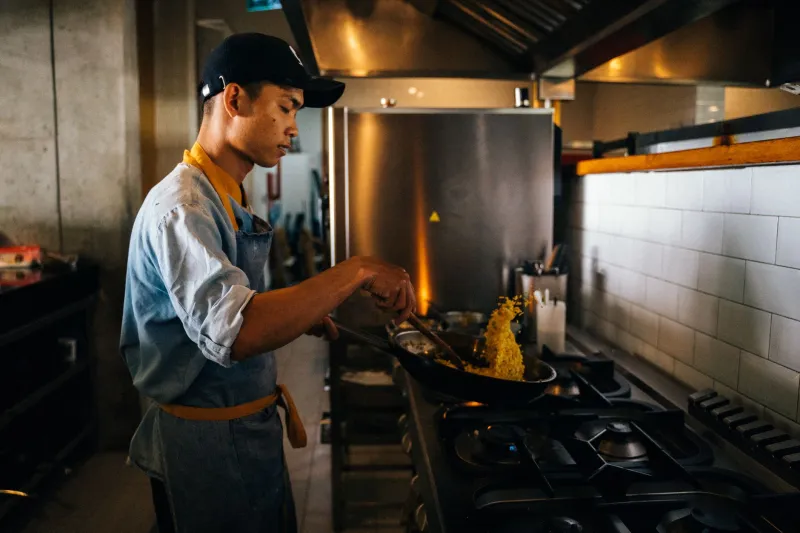
That Smoky, Charred Magic in Takeout Fried Rice Has a Name — Here's Why You Keep Missing It at Home
Cooking Techniques

That Smoky, Charred Magic in Takeout Fried Rice Has a Name — Here's Why You Keep Missing It at Home

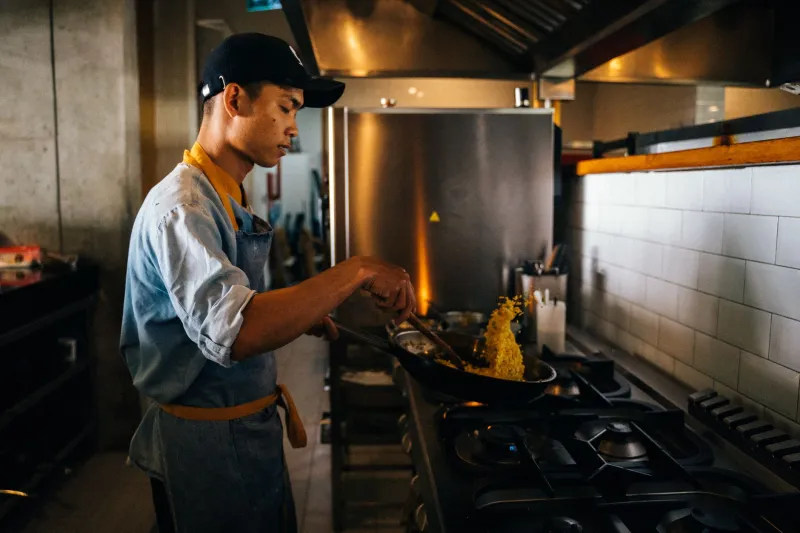
That elusive smoky depth in restaurant fried rice isn't just seasoning — it's a specific chemical reaction called wok hei, and your home burner is almost physically incapable of producing it. Understanding what's actually happening inside a screaming-hot wok changes everything about how you approach the dish. Here's the science, and here's how to get measurably closer without a commercial range.
The Secret Compound That Makes European Butter Taste Better — And How to Get It in Your Own Kitchen
Baking Science

The Secret Compound That Makes European Butter Taste Better — And How to Get It in Your Own Kitchen

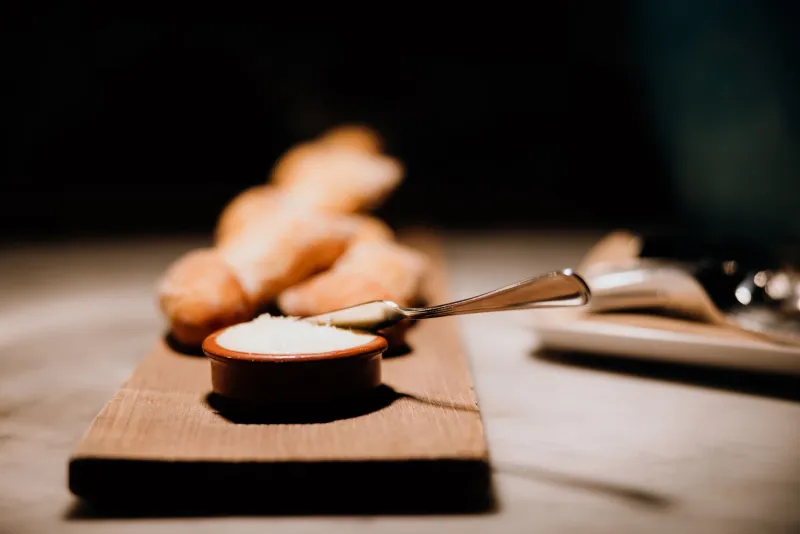
If you've ever churned your own butter and wondered why it tastes kind of... meh compared to that $9 French import, you're not imagining things. The difference comes down to a single fermentation step that most home recipes skip entirely. Here's the food science behind it — and a straightforward method that actually closes the gap.

The Smoky Restaurant Secret Your Home Stove Is Quietly Killing — And How to Fight Back
Cooking Techniques

The Smoky Restaurant Secret Your Home Stove Is Quietly Killing — And How to Fight Back

That deep, smoky complexity in restaurant fried rice isn't coming from a special sauce or a secret ingredient — it's a chemical reaction called wok hei, and your home burner is almost certainly working against you. Understanding the heat science behind it changes everything about how you approach the dish. Here's what's actually happening in that wok, and the workarounds that get you surprisingly close at home.

Caramel Gone Grainy? Here's the Food Science That Explains It — and the Simple Fix That Works Every Time
Baking Science

Caramel Gone Grainy? Here's the Food Science That Explains It — and the Simple Fix That Works Every Time

One second your caramel is a gorgeous, glossy amber pool. The next, it's a gritty, sandy disaster you want to throw in the trash. Understanding the crystal chemistry behind sucrose is the key to making caramel that behaves — and knowing how to rescue a batch when things go sideways.

Cold, Slow, and Worth It: The Gluten Science Behind Pizza Dough That Actually Tastes Like a Pizzeria Made It
Baking Science

Cold, Slow, and Worth It: The Gluten Science Behind Pizza Dough That Actually Tastes Like a Pizzeria Made It

If your homemade pizza keeps falling short of the real thing, your oven isn't the problem — your dough is. The gap between flat, bland crust and the chewy, complex stuff you get at a great pizzeria comes down to gluten development and fermentation time, two things most weeknight recipes completely ignore.

The Real Reason Your Steak Crust Is Sad — And the Cast Iron Fix That Changes the Game
Cooking Techniques

The Real Reason Your Steak Crust Is Sad — And the Cast Iron Fix That Changes the Game

That gorgeous, crackling crust on a steakhouse sear isn't magic — it's chemistry. Home cooks undermine the Maillard reaction in three predictable ways, and once you understand what's actually happening in the pan, fixing it is surprisingly straightforward.

The Science Behind Why Your Vinaigrette Falls Apart — And How to Make One That Actually Holds
Cooking Techniques

The Science Behind Why Your Vinaigrette Falls Apart — And How to Make One That Actually Holds

Shake your homemade dressing, and within minutes it's two separate layers again. That's not a failure on your part — it's basic chemistry. Understanding emulsification is the key to building a vinaigrette that stays creamy, cohesive, and fridge-ready for days.

Garlic Burns in Seconds, Onions Take Forever — Here's the Science That Explains Both
Cooking Techniques

Garlic Burns in Seconds, Onions Take Forever — Here's the Science That Explains Both

Garlic and onions are practically glued together in recipe instructions, but they behave nothing alike in a hot pan. Understanding the food science behind their differences — sugar content, water activity, cell structure — gives you the power to cook both perfectly every time. Once you get this, you'll never scorch your garlic again.

Your Soup Tastes Watery Because You're Skipping These Three Steps
Cooking Techniques

Your Soup Tastes Watery Because You're Skipping These Three Steps

You followed the recipe to the letter, so why does your soup taste like warm water with vegetables floating in it? The gap between a flat bowl of homemade soup and the kind of deeply satisfying stuff you get at a good restaurant almost always comes down to a handful of techniques most recipes gloss over. Here's the framework professional cooks use every single time.

The Secret Weapon Hiding in Your Pasta Pot (And Why You Keep Pouring It Down the Drain)
Cooking Techniques

The Secret Weapon Hiding in Your Pasta Pot (And Why You Keep Pouring It Down the Drain)

That cloudy, salty water left in your pasta pot isn't waste — it's one of the most powerful finishing tools in Italian cooking. Understanding the food science behind dissolved starch transforms an easy-to-overlook habit into the single biggest upgrade you can make to your weeknight pasta game. Here's exactly what's happening in that pot, and how to use it.

The Real Reason Your Scrambled Eggs Turn Watery — And the French Trick That Fixes It
Cooking Techniques

The Real Reason Your Scrambled Eggs Turn Watery — And the French Trick That Fixes It

Watery, rubbery scrambled eggs aren't a seasoning problem — they're a heat problem. Understanding how egg proteins behave under different temperatures reveals why slowing down your cook transforms breakfast from forgettable to genuinely impressive. Here's the science, and the two-pan method that puts you in total control.

Stop Blaming Yourself for Dry Chicken — Blame Your Technique Instead
Cooking Techniques

Stop Blaming Yourself for Dry Chicken — Blame Your Technique Instead

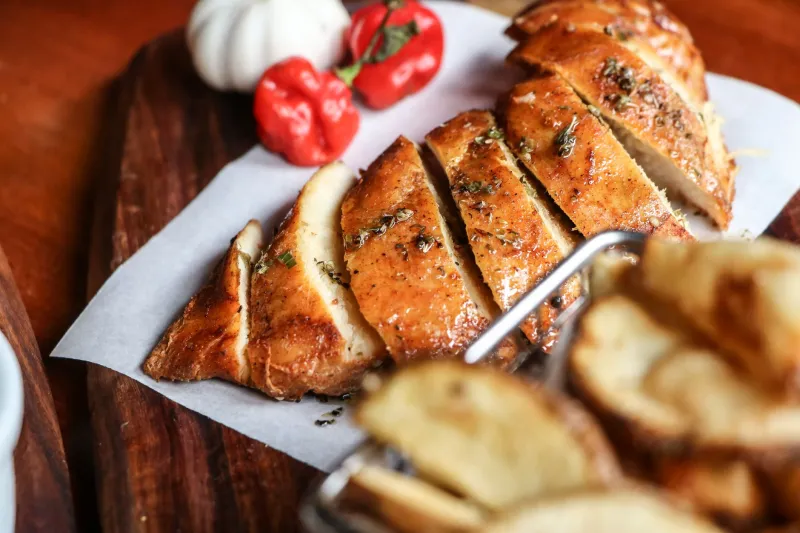
Dry, rubbery chicken breast is one of the most common complaints in the American home kitchen — and it's almost never the cook's fault in the way they think. The real culprits are subtler: misleading temperature targets, uneven cuts, and a physics phenomenon called carryover cooking that most recipes never bother to explain.

The Japanese Bread Trick That Keeps Your Loaf Soft for Days
Baking Science

The Japanese Bread Trick That Keeps Your Loaf Soft for Days

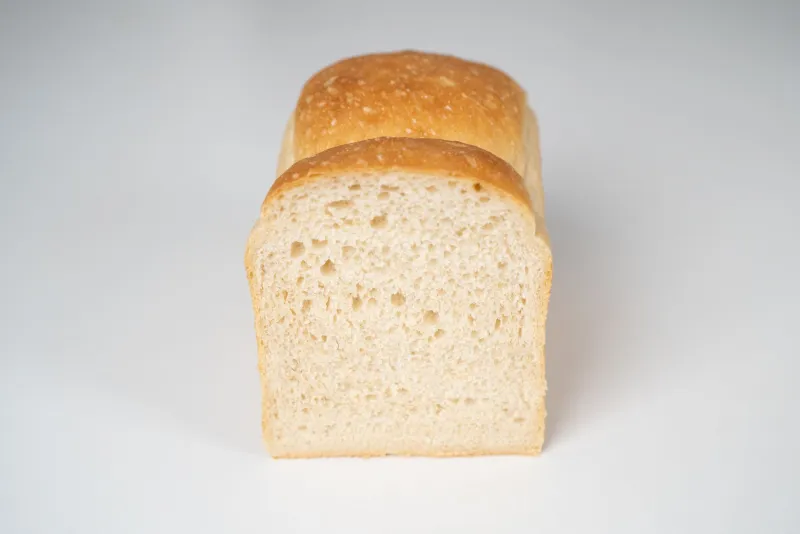
Shokupan — Japan's legendary milk bread — stays impossibly tender long after most homemade loaves have gone stale. The secret is a simple flour-and-water paste cooked on your stovetop before the dough ever comes together, and once you understand why it works, you'll use it in everything you bake.